
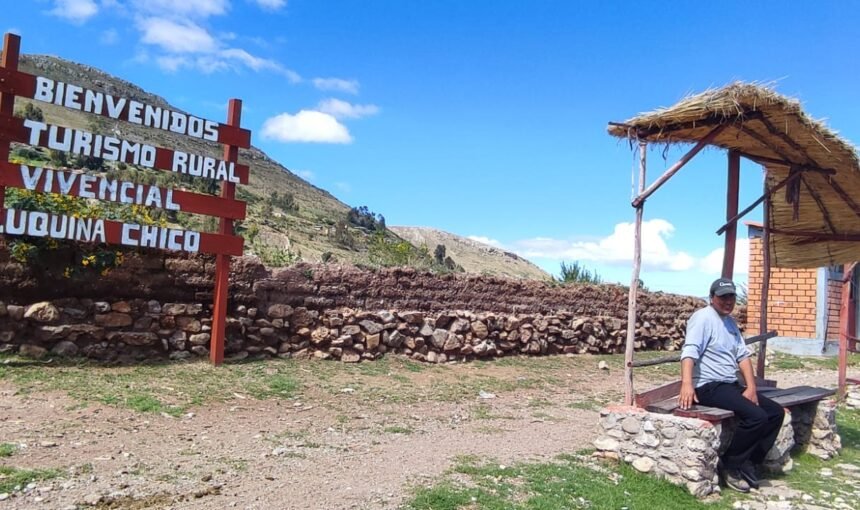
Introduction to Sustainable Tourism in Luquina Chico
Sustainable tourism is defined as a development approach that seeks to meet the needs of travelers and host communities while preserving the environment and promoting local culture. In the community of Luquina Chico, located on the shores of Lake Titicaca, this concept takes on special significance. The practice of sustainable tourism in this region not only attracts visitors seeking authentic experiences but also contributes to the conservation of the area’s valuable natural and cultural resources.
Luquina Chico, characterized by its stunning landscapes and living traditions, offers a unique appeal for ecotourists. The importance of sustainable tourism in this setting lies in its ability to mitigate the negative impacts that conventional tourism can have on nature and local communities. Through responsible initiatives, residents are involved in tourism management, ensuring they benefit directly from visitors, which in turn fosters appreciation and protection of their natural environment.
By promoting sustainable practices, Luquina Chico also safeguards its rich culture, allowing tourists to experience local customs and traditions firsthand. This not only encourages respect for cultural diversity but also strengthens community identity. In summary, sustainable tourism in Luquina Chico is not only a desirable alternative for travelers but also a development model that protects the environment and enhances the social and economic well-being of its inhabitants—all within the beautiful context of Lake Titicaca.
Conservation Practices and Biodiversity Protection
The community of Luquina Chico is actively committed to implementing various conservation practices aimed at protecting local biodiversity in the Lake Titicaca region. These initiatives reflect a deep respect for the natural environment and promote a sustainable tourism approach that benefits both residents and visitors.
One key strategy is the preservation of natural habitats, including reforestation of degraded areas and protection of riparian zones. By restoring native vegetation and maintaining ecological balance, the community ensures that native species have a suitable environment for their development. This effort not only improves ecosystem quality but also attracts tourists interested in nature observation.
Specific actions are also taken to conserve endemic species, many of which are endangered. This includes identifying vulnerable species and promoting educational programs to raise awareness of their importance. The community organizes workshops and awareness campaigns aimed at involving young people in protecting local wildlife, fostering a culture of respect for biodiversity.
The active role of the community is fundamental in these efforts, as residents are not only guardians of their environment but also educators. Through collaboration with environmental organizations and the use of traditional practices, Luquina Chico has created a development model that seeks to balance human well-being with ecosystem preservation. This approach ensures that both Lake Titicaca and its rich biodiversity remain vital heritage for future generations, maintaining the balance between conservation and responsible tourism.
Organic Agriculture and Its Impact on the Community
Organic agriculture in Luquina Chico represents a fundamental pillar for the region’s sustainable development. This farming practice, which avoids synthetic agrochemicals, promotes the cultivation of fresh and healthy products that benefit the local population and are highly valued by visiting tourists. Farmers in Luquina Chico have adopted sustainable methods that conserve the environment while producing high-quality food.
One of the most significant aspects of organic agriculture is its ability to strengthen the local economy. Farmers have begun cultivating products especially attractive to travelers, such as quinoa, corn, and various vegetables. These products are not only essential for daily nutrition but also offer visitors an authentic taste of local gastronomy. Farmers highlight how implementing sustainable techniques has improved both their production capacity and quality of life. Income generated through the sale of organic products not only supports households but also allows investment in education and healthcare for families.
Integrating organic agriculture into sustainable tourism is another notable advantage. Tourists can participate in farming activities, learn about traditional cultivation techniques, and gain a deeper understanding of the Lake Titicaca ecosystem. Local communities are committed to environmental education and raising awareness about the importance of conserving natural resources. This holistic approach enriches the traveler’s experience while fostering responsible tourism that respects and values Luquina Chico’s traditions and environment.
Authentic Experiences and Preservation of Traditions
Luquina Chico, a small village on the shores of majestic Lake Titicaca, offers visitors a unique opportunity to immerse themselves in local culture through authentic experiences that promote sustainable tourism. These encounters not only enrich the traveler’s journey but also play a crucial role in preserving the traditions and customs of the indigenous community living in this region. By participating in cultural activities such as crafting, traditional dances, or tasting typical dishes, tourists become witnesses to the rich cultural heritage while contributing to its continuity.
One of the most notable activities in Luquina Chico is the chance to participate in local festivities, where visitors can learn about ancestral rituals preserved for centuries. These celebrations are a vibrant expression of local identity and involve the entire community, allowing travelers to experience the warmth and hospitality of the residents. Active participation in these festivities ensures that customs are not lost but passed on to future generations.
Tourists also have the opportunity to interact directly with local inhabitants, fostering a deeper and more respectful understanding of their daily lives and beliefs. This direct interaction not only benefits visitors with enriching cultural experiences but also provides economic incentives for the community, which sees responsible tourism as a way to sustain its quality of life while preserving its heritage. In this context, the focus on sustainable tourism in Luquina Chico becomes a reference model for those interested in traveling responsibly and in solidarity.


